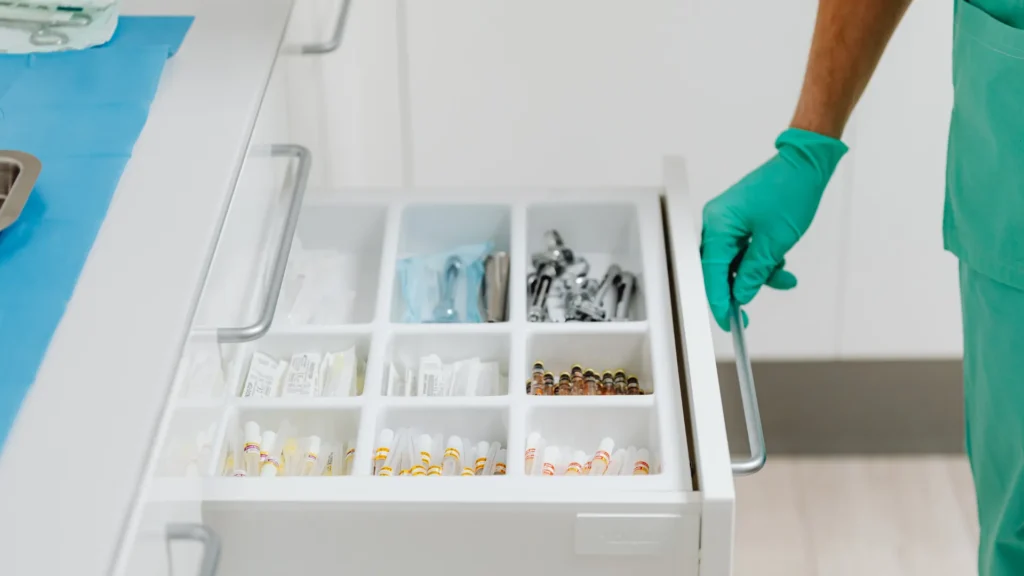
Here’s a reality that changed how I practice: In England, patients with suspected ovarian cancer wait a median of 69 days from referral to treatment start, with some regions taking up to 88 days. Meanwhile, research shows frozen section biopsy delivers 94% diagnostic accuracy for ovarian masses with results available in 20 minutes during surgery. This gap between what’s possible and what’s practiced represents lost time for patients who need answers urgently.
Our ultrafast diagnostic pathway in Kolkata integrates frozen section technology with streamlined care coordination, targeting diagnosis sometimes within 7 days of referral. This matches international best-practice standards while delivering something uncommon in India: rapid, accurate answers when every day counts.

Traditional diagnostic pathways involve multiple appointments spread over weeks. Initial consultation, imaging, biopsy, final pathology, then treatment planning. For cancer patients, this waiting period creates anxiety and potentially delays life-saving treatment.
International studies demonstrate that cancer fast-track programs reduce time from suspected symptoms to diagnosis from months to 19 days median, with treatment starting at 34 days.
The NHS Faster Diagnosis Standard aims for confirmed diagnosis or cancer exclusion within 28 days, recognizing that streamlined pathways improve both patient experience and outcomes.
Our diagnosis pathways are faster, even sometimes beating international standards.
Frozen section biopsy represents one of gynae oncology’s most powerful diagnostic tools. When you’re already in surgery for an ovarian mass, receiving an accurate diagnosis within 20 minutes allows me to make immediate surgical decisions. Whether to perform conservative fertility-sparing surgery or comprehensive cancer staging.
The evidence is compelling: Studies across multiple institutions show frozen section achieves 90-95% sensitivity for benign tumors, 88-90% sensitivity for malignancies, and 97-100% specificity for cancer detection. For ovarian masses specifically, diagnostic accuracy reaches 92-94%, with near-perfect specificity preventing unnecessary aggressive surgery.
This means if frozen section indicates a benign mass, I can confidently perform limited surgery. If malignancy is detected, comprehensive staging happens immediately. Aims to avoid second surgery, with no additional recovery period, and no treatment delays.

First specialist evaluation within 2-4 days of referral, matching international gynaecology cancer pathway standards.
Cross-sectional imaging completed within 3-4 days, using risk stratification tools like CA-125 and menopausal status to prioritize urgent cases.
When surgery is indicated, frozen section provides same-day definitive or highly accurate preliminary diagnosis, with turnaround times of 20 minutes for straightforward cases.
Real-time pathology enables appropriate surgical extent during a single procedure, eliminating delays and additional operations.
Comprehensive histopathology processing starts within 24 hours post-surgery, accelerating treatment planning.
My commitment to staying current with international literature means our frozen section protocols reflect global best practices. Multiple meta-analyses confirm that when performed by experienced gynaecological pathologists, frozen section maintains diagnostic accuracy exceeding 90% across benign, borderline, and malignant categories.
For endometrial cancer, frozen section demonstrates pooled sensitivity of 86% and specificity of 92%, with even higher reliability for atypical hyperplasia diagnosis. The key is experienced interpretation, adequate tissue sampling, and clear surgeon-pathologist communication. All integral to our practice.


Shorter waiting times mean less time living with uncertainty about your diagnosis.
For cancer patients, rapid diagnosis enables timely commencement of chemotherapy or radiation, potentially improving survival outcomes.
Intraoperative frozen section often eliminates the need for staged procedures, reducing surgical risks and recovery time.
Our less than 28-day diagnostic pathway matches & exceeds NHS and international best-practice targets. A benchmark rarely achieved consistently in India.
Ultrafast doesn’t mean rushed. It means eliminating unnecessary delays while maintaining diagnostic rigor. Every patient receives comprehensive counseling explaining the diagnostic process, what to expect, and how results will guide treatment decisions.
The pathway integrates cutting-edge technology with personalized attention, because rapid answers should never come at the expense of thoughtful care.
My team’s approach reflects continuous engagement with journals like Gynecologic Oncology, International Journal of Gynecological Cancer, and Frontiers in Oncology. Ensuring our protocols evolve with emerging evidence.