The symptoms of menopause, quite frankly, can be a right nuisance for any woman. But understanding them is the first step towards managing them—and that’s exactly what will help you thrive.
💬 A Natural Transition – Not an Illness
We are living longer than ever. And for today’s busy, modern woman, a major part of her productive, powerful years unfolds after menopause.
Menopause is absolutely natural. It is not an illness. But it does require preparation – ideally starting as early as your mid-20s.
The symptoms can be bothersome – sometimes wildly so. That is why we created a whole video series to help. You will find the link in the description box below.
But today, let us talk treatment – especially what the latest science says about symptom relief.
🧤 When Responsibility Peaks, Symptoms Can Be Pesky
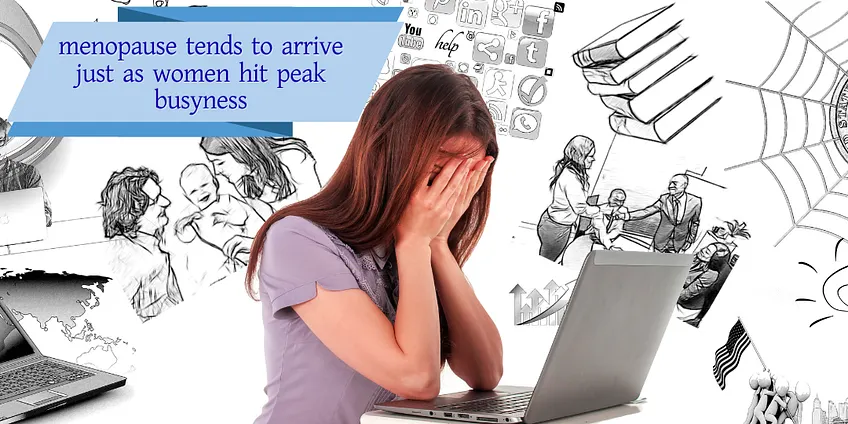
Strangely enough, menopause tends to arrive just as women hit peak busyness – running households, managing relationships, climbing career ladders.
Naturally, symptoms like hot flushes, poor sleep, or low libido can feel like an interruption. Some even call menopause ‘career-killing’.
So what do most women reach for? Pills, powders, and ‘natural’ magic potions that promise to bring oestrogen back into the body. Because if the problem is a lack of oestrogen, giving more of it should solve it – right?
Yes – temporary relief often follows. But hormonal therapy carries risks as well, which is why no one should start on HRT – or any shortcut – without a proper, detailed discussion with a real-life doctor.
⚠️ If nothing has a side effect, chances are it has no effect either. Whether something comes from a lab or a leafy green field, it can still affect your body. Herbs can be potent too.
💊 First Things First: What Exactly Is HRT?
HRT (Hormone Replacement Therapy) involves giving oestrogen and progesterone – in different combinations – to alleviate menopausal symptoms.
- If your uterus is still intact, progesterone must be added to protect against womb cancer.
- If you have had a hysterectomy, oestrogen alone may be considered.
Always tailor therapy to your unique needs – in discussion with your gynaecologist.
✅ The Benefits of HRT
HRT works well for:
- Hot flushes and night sweats
- Vaginal dryness, discomfort, and some sexual health concerns
- Urinary issues
- Maintaining bone health and managing early osteoporosis
- Reducing the risk of colorectal (bowel) cancer – although HRT is not prescribed solely for that reason
⚖️ The Risks – Because Nothing Comes for Free
HRT may:
- HRT may:
- Slightly increase the risk of breast, uterine, or ovarian cancer
- Raise the chances of blood clots (thrombosis)
- Sometimes lead to gallbladder issues
So yes, there is hope – but also a need for realistic, evidence-based expectations.
🌱 HRT Is Not the Only Option
There are non-hormonal treatments that help many women – often with fewer side effects:
- New-generation medications to strengthen bones without hormone use
- Alternatives to treat hot flushes and mood symptoms
- Therapies tailored to sexual health and vaginal comfort, minus the hormones
Lifestyle changes, however, remain the gold standard. Pills help – but only temporarily. Without healthier habits, effects may wear off just as quickly as they appeared.
💪 Your Menopause Toolkit – Rooted in Routine
🔹 Exercise
Aim for 3-4 hours a week of moderate-to-vigorous movement. From protecting your heart to sharpening your mind, physical activity out-performs most pills – and has zero nasty side effects.
🔹 Diet
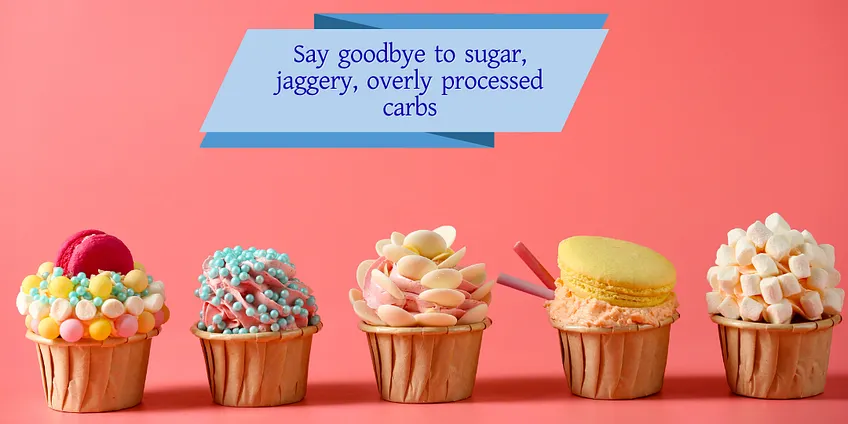
Think Mediterranean – full of greens, olive oil, whole grains, and fibre. Say goodbye to sugar, jaggery, and overly processed carbohydrates. Befriend complex carbs and colourful vegetables.
🔹 Gut Support
- After menopause, helpful vaginal bacteria – such as lactobacillus – take a hit, making infections more common. A simple daily probiotic or spoonful of yoghurt can do wonders.
🔹 Meditation and Mindfulness
No, you do not need to sit in a dark cave. Find stress-reduction techniques that suit your routine. A trained practitioner can help you identify which mindfulness tools fit your lifestyle.
🧠 Feed Your Mind Too
If your children or family have moved out, or you are adjusting to a quieter home or a retirement phase, let that not become emptiness – let it become opportunity.
Pick up a new skill, try a new recipe, solve a newspaper crossword, learn a new language, take up gardening, or master a computer programme. Shake things up – and surprise even yourself.
The more you move your mind and body, the more they will give back.
🧾 If You Must Take HRT
Use it:
- Use it:
- For the shortest necessary duration
- At the lowest effective dose
- Only with your doctor’s guidance and a clear exit plan
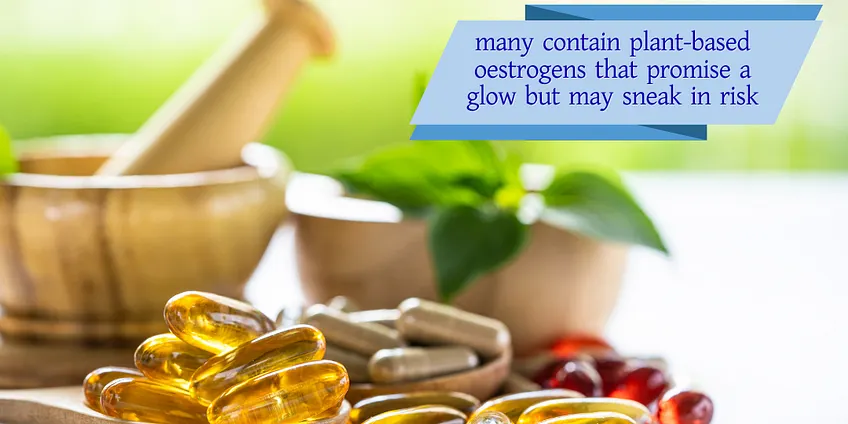
And be wary of flashy supplements – many contain plant-based oestrogens that promise a glow but may carry hidden risks. Since they are not regulated like medicines, always stay alert.
👩⚕️ Only 3% to 4% of Women Actually Take HRT
Yes, really [Faubion, 2026]. Most women manage menopause well with health literacy, lifestyle shifts, and long-term planning – not lifelong medication.
Your body does not want you to fight it. It just wants your respect, your attention, and a little movement. You can absolutely feel well – without a medicine cabinet full of quick fixes.
💬 A Final Thought
Let us not think of menopause as an illness – it is a natural transition.
And with the right habits, you will not just face it – you will flourish through it.
🔹 Further Reading & Resources
- 3 Real Life Stories💡Overcoming Menopause Myths for Better Health Decisions | Dr Manas Chakrabarti
- Power Cruising Menopause⚡️Science-Backed Strategies for New Age Women’s Health- Dr Manas Chakrabarti
- Postmenopausal Bleeding: What You Need to Know | Dr Manas Chakrabarti
- MHT is currently prescribed to only about 3% to 4% of perimenopausal and postmenopausal people.
This is an impartial , unsponsored health information. For public awareness and not a replacement of Medical Advice.

